Find Out About the Key Services Provided by Professional Roofing Specialists
Skilled roofing specialists offer an array of essential services designed to safeguard and improve roof longevity. Complete inspections aid in pinpoint problems early, while professional repairs resolve leaks and storm damage promptly. Furthermore, they supply total installations and upgrades for improved durability and energy efficiency. With a commitment to preventive maintenance, these specialists confirm roofs operate optimally. But what specific services can actually make improvements to your roofing needs?
In-Depth Roof Inspections and Assessments
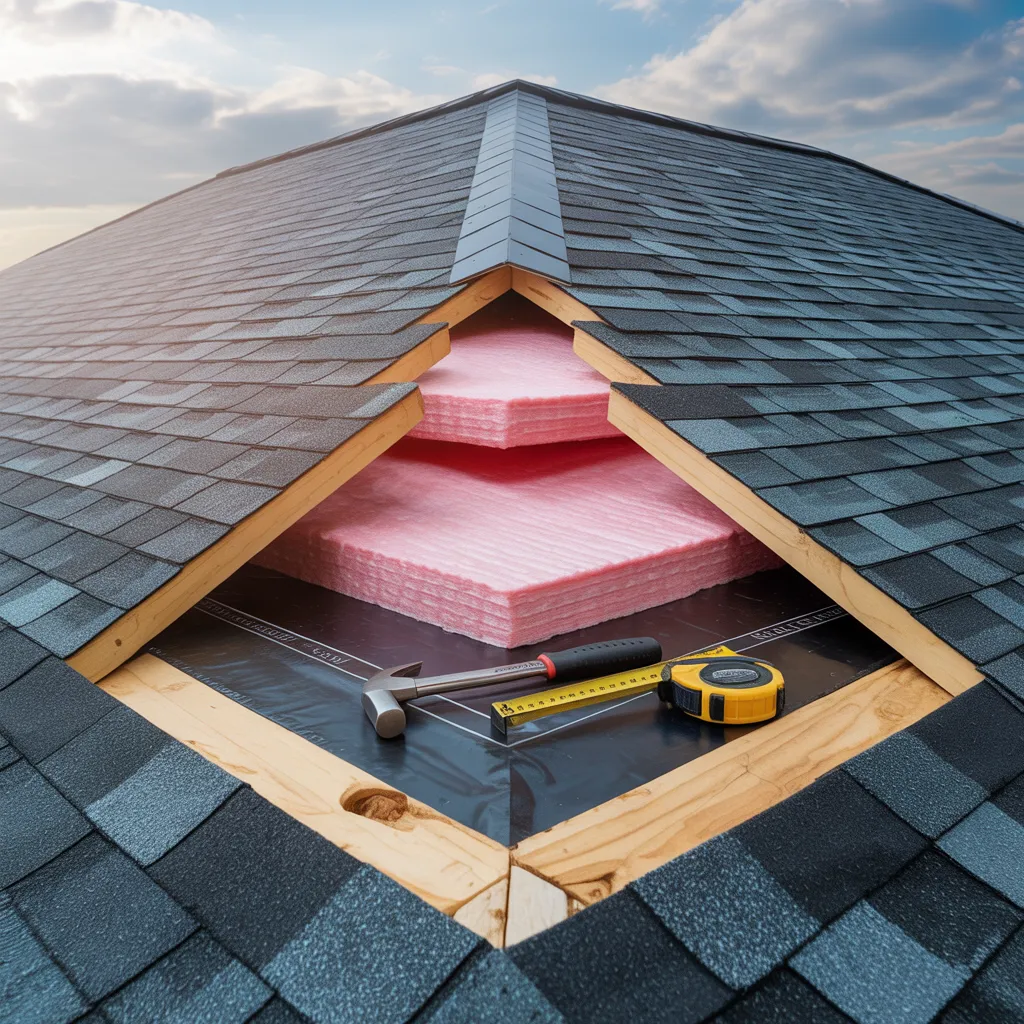
When homeowners focus on extending their roof's lifespan, comprehensive roof examinations are crucial. These examinations act as a forward-thinking approach to identify potential issues before they escalate into costly repairs. Skilled roofing specialists utilize specialized tools and techniques to evaluate the roof's state, examining materials, drainage systems, and flashings.
During a comprehensive inspection, they check for signs of deterioration, damage, or aging that could compromise the roof's integrity. This careful process not only confirms that the roof continues to be watertight and structurally sound but also aids in extending its longevity.
Homeowners gain advantages through obtaining detailed reports highlighting findings and recommendations, facilitating informed decisions concerning maintenance or necessary upgrades. Ultimately, regular roof inspections encourage peace of mind, assuring that the home remains protected against harsh weather conditions and preserving the investment in the property.
Expert Roof Repairs
Professional roof repairs address a variety of common issues, from leaks to structural damage. Grasping the appropriate repair methods is essential for returning a roof's integrity and extending its lifespan. Quick repairs not only prevent further damage but also preserve the overall value of the property.
Common Roof Issues
While roofs are designed to handle different environmental conditions, they often encounter problems that necessitate professional repairs. Common problems include leaks, which can occur from damaged shingles or flashing, causing water infiltration and potential structural damage. Wind and hail can cause considerable physical damage, dislodging tiles or creating dents that weaken the roof's integrity. Furthermore, the accumulation of debris can lead to water pooling, encouraging mold growth and further deterioration. Inadequate ventilation may create overheating in attic spaces, resulting in premature wear on roofing materials. Homeowners should also be attentive about signs of aging roofs, such as curling or missing shingles. Identifying these concerns early is crucial for preserving the roof's longevity and securing the home's overall structure.
Repair Approaches Explained
Understanding the different repair methods is essential for homeowners dealing with roof issues. Professional roofing experts utilize several methods to address particular problems effectively. One common technique is patching, which involves placing a durable material over damaged areas to stop leaks. Another method is roof flashing repair, where metal strips are fixed around chimneys and vents to seal gaps. For more extensive damage, professionals may recommend re-roofing, which involves layering new shingles over existing ones. Moreover, expert roofers often utilize sealants to waterproof vulnerable areas. Each method is tailored to the particular type of roof and the extent of the damage, guaranteeing that the repairs are both effective and long-lasting. Knowledge of these methods aids homeowners in making informed decisions regarding their roof maintenance.
Value of Quick Repairs
Quick repairs play a crucial role in upholding the integrity of a roof. When minor issues, such as leaks or missing shingles, are handled promptly, they can avoid more extensive damage and costly replacements in the future. Ignoring these problems often leads to water infiltration, structural damage, and mold growth, which compromise the safety and longevity of the entire home. Professional roofing professionals emphasize the importance of regular inspections and maintenance to identify potential issues early. By investing in prompt repairs, homeowners not only preserve their property but also boost its value. A well-maintained roof supports energy efficiency, ensuring that heating and cooling systems work effectively, ultimately saving homeowners money on utility bills.
Full Roof Installation Projects
Total roof installations necessitate thorough consideration of different roofing materials, every one offering distinct benefits and aesthetics. The installation approach involves various steps, making sure that the roof is both durable and visually striking. Understanding these elements is essential for achieving a successful roofing project.
Varieties of Roofing Materials
Picking the right roofing material is vital for any comprehensive roof installation, as it directly influences the structure's durability, aesthetics, and energy efficiency. Multiple materials are available, each offering distinctive benefits. Asphalt shingles are well-liked due to their affordability and versatility, while metal roofing is valued for its durability and resistance to extreme weather. Clay and concrete tiles provide exceptional longevity and a distinctive appearance, making them perfect for certain architectural styles. Furthermore, wood shakes offer a natural look but require more maintenance. Synthetic options, such as rubber and polymer, mimic traditional materials while delivering enhanced resilience and lower weight. In the end, the choice of roofing material should align with the homeowner's budget, aesthetic preferences, and local climate conditions.
Installation Process Summary
Installing a new roof requires multiple essential phases that ensure a sturdy and reliable construction. Initially, professional roofing experts assess the existing roof and determine the necessary repairs or replacements. Subsequently, they set up the location by extracting previous materials and maintaining an organized working area. Following that, the underlayment is installed, establishing a moisture-resistant protective layer. When this foundation is established, the preferred roofing material is meticulously arranged, confirming accurate alignment and tight securing. Next, flashing gets mounted around chimneys and vent openings to avoid leakage. Finally, a thorough inspection is conducted to guarantee all components meet industry standards. This detailed process provides sustained safeguarding against environmental factors.
Scheduled Maintenance Solutions
When homeowners prioritize preventive maintenance services for their roofs, they can greatly extend the lifespan of their roofing system. Expert roofing professionals offer a range of preventive measures designed to discover and handle potential issues before they escalate. Regular inspections are a cornerstone of these services, permitting professionals to assess for wear, damage, and debris buildup.
Additionally, routine cleaning of gutters and downspouts avoids water buildup, which can result in leaks and structural damage. Maintenance and sealing of flashing are also vital components, ensuring that seams and joints remain watertight.
Homeowners benefit from personalized maintenance plans designed for their particular roofing materials and source environmental conditions. By committing to preventive maintenance, they not only safeguard their property but also enhance its value. Ultimately, these services contribute to peace of mind, knowing that the roof remains in top condition throughout its expected lifespan.
Emergency Roof Repair Solutions
Unexpected roofing issues can arise despite thorough preventive maintenance, demanding prompt emergency roofing repairs. Such emergencies frequently include significant leaks, storm damage, or structural failures that can compromise the integrity of the home. Professional roofing professionals provide quick assessments to determine the extent of the damage and recommend swift repairs.
These technicians are qualified to deal with multiple situations, from fixing leaks to installing new shingles, confirming that the dwelling stays defended and protected. They comprehend the urgency of these situations and give priority to fast response times to reduce additional deterioration. Moreover, emergency roofing services often include short-term fixes, such as tarping, to prevent water intrusion until permanent repairs can be completed.
Property owners can rest assured knowing that skilled roofing contractors are accessible to address urgent roofing needs, permitting them to focus on restoration without the added stress of roof-related complications.
Roofing Improvements and Renovations
Investing in roof upgrades and renovations can greatly improve a home's market value and energy efficiency. Homeowners frequently seek to improve their roofs for various reasons, including visual appeal, durability, and insulation. Transitioning to modern materials, such as metal or energy-efficient shingles, can significantly reduce heating and cooling costs. Furthermore, renovations may involve adding insulation or ventilation systems, further optimizing energy use.
Roofing professionals can supply valuable insights on current trends and technologies in roofing. They assess the present condition of the roof and recommend proper upgrades suited to the homeowner's needs. Furthermore, renovations can include structural improvements, extending the lifespan of the roof and minimizing the likelihood of future repairs. By emphasizing roof upgrades, homeowners not only commit to their property but also aid in sustainability efforts, making their homes more green while reaping the advantages of a well-maintained roofing system.
Frequently Asked Questions
How Should I Decide on the Right Roofing Material for My Property?
Choosing the right roofing material entails evaluating climate, durability, aesthetics, and budget. Researching options like asphalt shingles, metal, or tile can assist homeowners reach informed decisions customized to their particular needs and preferences.
What Is the Average Lifespan of a Roof?
Roof longevity differs depending on the material used; asphalt shingle roofs endure for 15-30 years, metal roofs typically survive 40-70 years, whereas tile and slate roofing systems often outlast 50 years, contingent upon maintenance practices and weather conditions.
What Is the Ideal Schedule for Roof Inspections?
Homeowners need to plan roof inspections a minimum of two times per year, ideally in fall and spring. Additionally, inspections are advised after severe weather conditions to identify possible damage and maintain the roof's integrity and longevity.
Does Homeowners Insurance Cover Roofing Services?
Roofing work might be covered under homeowners insurance policies, contingent upon the policy and specific circumstances. It is recommended for homeowners to examine their policy coverage and consult with their insurance copyright for clarity on specific claims.
What Actions Should I Take if My Roof Starts to Leak?
Should a roof start leaking, the homeowner should promptly control the water damage, relocate belongings, and get in touch with a professional roofer for evaluation and restoration. Timely action can prevent additional damage and costly repairs.